
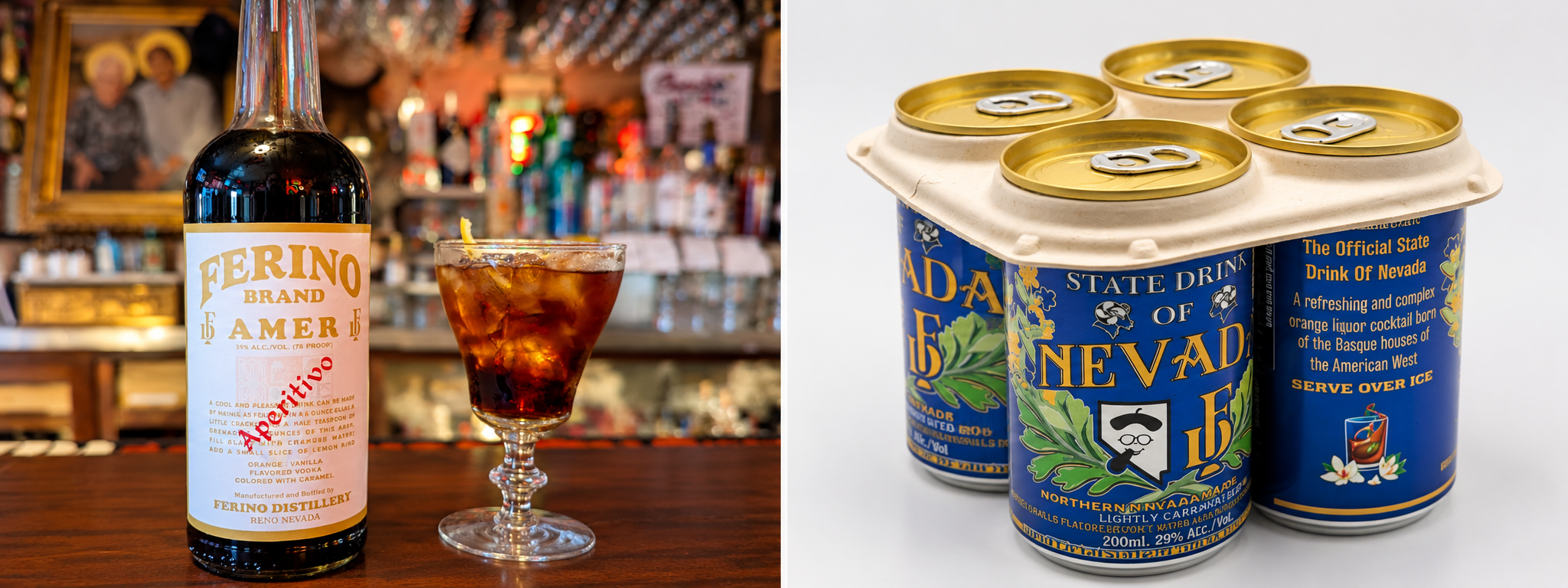
An Italian family name, a Thanksgiving experiment and a century-old Basque cocktail make for one unlikely chapter in Nevada’s drinking history.
I first heard about Picon Punch through a documentary I hadn’t actually seen. Piconland, a film exploring the cocktail’s history and its place in Northern Nevada’s Basque community, caught my attention for a couple of reasons. First, I love a good story about food, drink and the people who keep traditions alive. Second, how did a cocktail with such a devoted following in one part of our state remain relatively unfamiliar to so many of us down south?
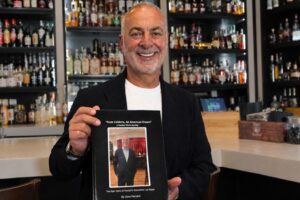
Through a mutual friend, I connected with Joe Cannella, founder of Reno’s Ferino Distillery and, as it turns out, a Las Vegas native. The documentary wasn’t my only reason for heading to Reno, but it was certainly the catalyst for this story. Once we started talking, I discovered Picon Punch was only part of a much larger tale.
A trip to Sicily, a bottle of cinnamon liqueur, a father with entrepreneurial instincts, and a distillery that opened just weeks before the world shut down. Somewhere along the way, Cannella also became responsible for producing a key ingredient in what is now Nevada’s official state cocktail.
Naturally, I had questions.
A little cinnamon goes a long way
Cannella was born and raised in Las Vegas, where his parents settled in 1977. He eventually headed to Northern California for college, built a career in the Bay Area and spent years living in San Francisco. But his journey into the spirits business began much farther from home, with a family name that suddenly took on new meaning during a visit to Sicily.
Cannella means cinnamon in Italian, a fact he had always known but hadn’t given much thought until he found himself surrounded by streets, cafés and even a clothing store bearing his name.
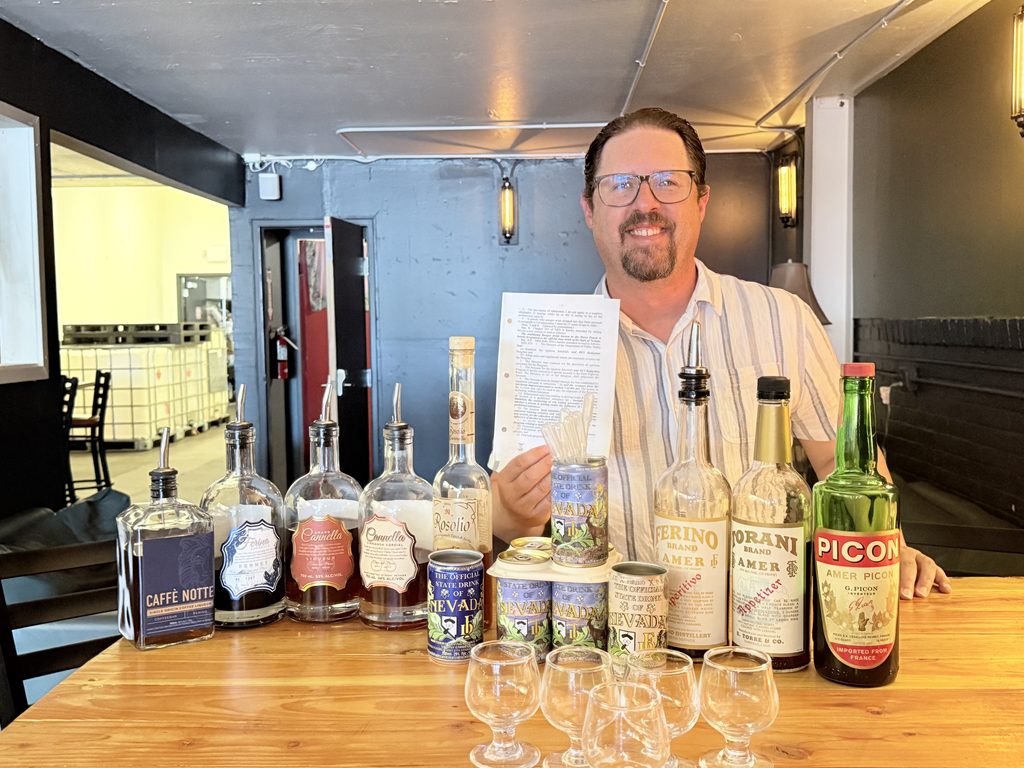
“So I am Joe Cinnamon. I was born that way. Been called worse, I guess.”
Streets, cafés, clothing stores. Apparently, Cannella was having quite the moment in Sicily. But finding his name on a bottle of liquor? That was practically an invitation.
On his final night in Catania, he spotted a bottle of cinnamon liqueur behind his hotel bar.
“Even the liquor in Sicily had my name on it.”
He brought several bottles home to share with family and friends, but eventually the supply ran out. Unable to find the liqueur in the United States, Cannella turned the bottle around and studied the ingredients: water, alcohol, sugar and cinnamon.
How hard could it be?
“Challenge accepted.”
For the next couple of years, he experimented with mason jars, vodka and different cinnamon infusions, eventually developing his own version of the Sicilian cordial. His recipe incorporated four types of cinnamon, coriander and a touch of clove, with less sweetness than the original. He wanted something versatile enough to enjoy on its own or mix into cocktails, from margaritas to Old Fashioneds.
The turning point came during Thanksgiving dinner at his parents’ Las Vegas home in 2013. Cannella had brought his homemade liqueur to share, and afterward his father pulled him aside. Apparently, several guests wanted to know whether they could buy bottles to take home for the holidays.
“I said, ‘Yeah, I think that’s illegal, you know, Dad.'”
Cannella laughs, comparing his father’s reaction to one of those old cartoons where dollar signs suddenly appear in someone’s eyes. His dad had spotted a business opportunity, and Joe decided it was worth exploring.
Back in San Francisco, Cannella connected with the founders of Seven Stills, a distillery experimenting with whiskey made from craft beer. They had the licensing and production capabilities to help him bring his recipe to market, and what had begun as a hobby became a business.
The lineup eventually expanded to include amaro, fernet and a coffee liqueur developed with a local roaster. Meanwhile, Cannella and his wife considered a different kind of expansion.
They were living in a third-floor San Francisco apartment with their young daughter when they learned another baby was on the way. They figured they could make the space work, even if it meant getting creative with the closets.
Then they found out they were having twins.
“We tapped out.”
With his wife’s family living in Northern Nevada, moving closer to relatives made considerably more sense than squeezing three children into an already crowded apartment. They relocated to Reno in 2017, bringing the growing spirits business with them.
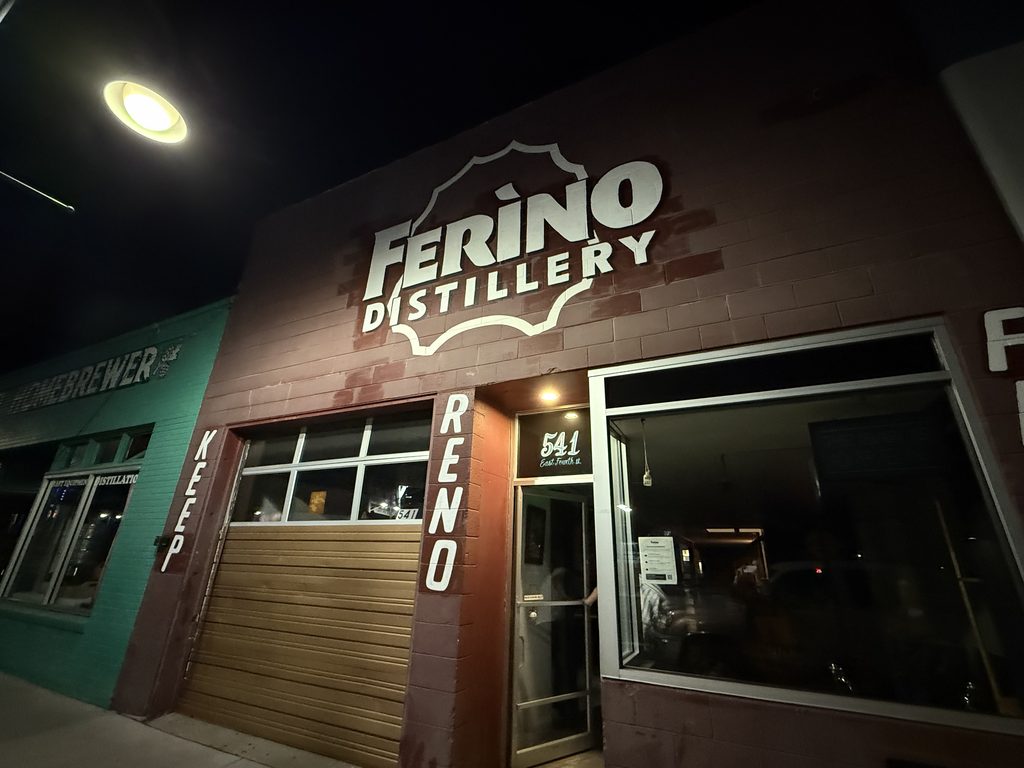
In February 2020, Ferino Distillery opened its doors. Yes, that February.
Within weeks, pandemic shutdowns forced Cannella to rethink just about everything. He created a monthly to-go cocktail subscription, personally delivered drinks around Reno and took on debt to keep the operation alive. The financial consequences lasted well beyond the initial shutdowns, something he describes as “economic long COVID.”
Opening a distillery is a gamble under the best circumstances. Opening one just before a global shutdown? That’s a particularly cruel bit of timing.
Still, walking away wasn’t much of an option.
“We put a lot into this. We can’t just walk away.”
By September 2024, Ferino was still working through those challenges when an unexpected message arrived through the distillery’s website. The sender was Stacy Cooper Dent, a longtime Torani executive.
Torani? As in coffee syrups, Italian sodas and the occasional overenthusiastic vanilla latte? What did they want with a small distillery in Reno?
As it turns out, Torani’s history extends beyond the flavored syrups found in coffee shops worldwide. The company had also produced alcoholic liqueurs, including one with a particularly devoted following in Northern Nevada.
Torani Amer was an essential ingredient in Picon Punch.
Cannella initially assumed they were looking for a production partner. Instead, they wanted Ferino to take over the recipe and its rights.
According to Cannella, the agreement was completed in about six weeks, with no purchase payment or ongoing royalties. He believes the decision came down to three things: his Italian-American roots, Ferino’s experience producing amaro and the distillery’s location in the middle of Picon Punch country.
Torani wanted the recipe in capable hands, and Cannella understood that he was taking responsibility for something with a history far beyond his own business.
Ferino began producing the liqueur in April 2025. Just two months later, Nevada officially designated Picon Punch as its state drink.
“I was like, ‘What is going on?’ You know? Pinch me.”
The timing was extraordinary, although the cocktail’s story goes back considerably further than Ferino’s involvement.
A cocktail with a history of its own
Picon Punch traces its roots to Amer Picon, a French bitter liqueur that found an audience among Basque immigrants throughout the American West. As those communities established themselves in Nevada, the cocktail became a fixture in the boarding houses and restaurants where sheepherders, ranchers and their families gathered.
The boarding houses served a much bigger purpose than providing meals and a place to sleep. They were community centers where people celebrated weddings, birthdays and holidays, mourned losses and maintained connections to their heritage.
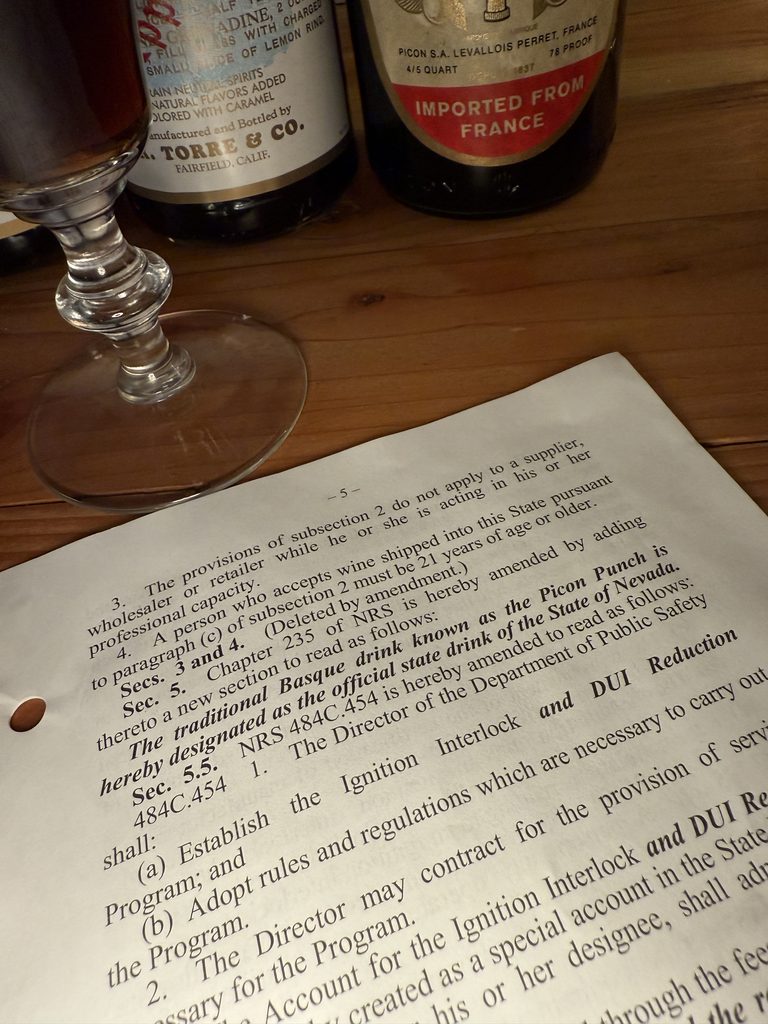
Some evolved into restaurants that remain important gathering places today, particularly in Northern Nevada. And while the cocktail’s precise origin has inspired its share of debate, Picon Punch itself has endured.
Over time, Torani’s version of the bitter liqueur became a familiar ingredient in the drink. Generations of Basque families and restaurateurs helped preserve the tradition, and the state’s official recognition in 2025 gave it a broader identity.
Cannella also mentioned that he’d heard the cocktail was originally called the Picon drink before someone began calling it Picon Punch. Whether that’s precisely how the name evolved is another matter, but I had a more immediate observation: Who doesn’t love a little alliteration?
Joe agreed. “Yeah, totally. It’s catchy, right?”
As Cannella explained, Picon Punch isn’t simply a cocktail imported from Basque Country. It’s a Nevada Basque tradition, shaped by the immigrant communities that made their homes here.
That distinction is part of what makes Piconland so interesting.
The University of Nevada, Reno student documentary, written and directed by Mark Maynard, explores the cocktail’s history and its enduring place in Nevada’s Basque culture. Screenings and discussions, supported in part by Nevada Humanities, brought that history to audiences around the state, including Las Vegas and Boulder City. Cannella, who appears in the film, participated in several of those conversations.
I missed the screening that first caught my attention, but the documentary sent me looking for the story behind the drink. And as someone who spends a fair amount of time exploring Nevada’s food and drink culture, I found the regional divide fascinating.
We may share a state, but our culinary traditions can be surprisingly different. Ask around a Basque restaurant in Gardnerville or Elko, and you’re likely to encounter some strong opinions about Picon Punch. In Las Vegas, you may first have to explain what it is.
So what exactly have we been missing?
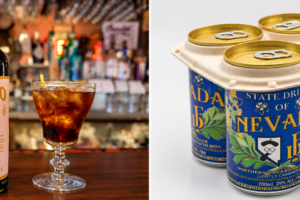
Cannella describes a cocktail built directly in an Irish coffee glass filled with ice.
(A brief detour for my fellow glassware geeks: That distinctive, footed Irish coffee glass has its own San Francisco connection, thanks to the legendary Buena Vista Café. Being from San Francisco myself, and with Joe having lived there for years, naturally we wandered into a conversation about its history, including a story about the glass nearly disappearing from production. A little cocktail history within our cocktail history. I couldn’t resist.)
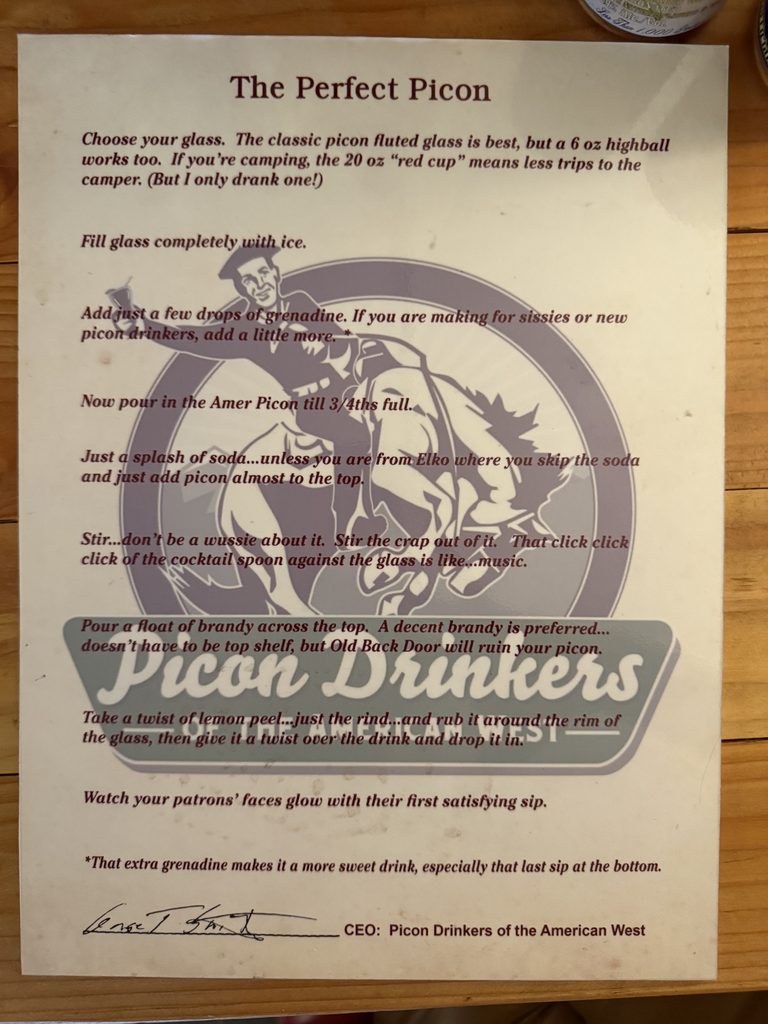
Back to the Picon. It begins with a splash of grenadine so small it should, as Cannella puts it, “merely threaten the ice.” Then comes a generous pour of Amer, a little soda water, a brandy float and a lemon peel.
My grandfather taught me to make a dry martini with a similarly casual relationship to vermouth. Apparently, some of the best cocktail recipes are more philosophy than formula.
“One of the important rules of the Picon is no measuring.”
Recipes vary between restaurants and bartenders, sometimes for reasons that have little to do with careful cocktail development. At The Star in Elko, Cannella says the soda water disappeared after the restaurant ran out one day and customers decided they preferred the stronger version.
No measuring, optional soda water and a generous pour of bitter liqueur. This is clearly a cocktail with opinions.
But if the drink has survived generations of changing tastes and bartending habits, what happens when someone suggests taking it out of the restaurant and putting it into a can?
That’s where another generation comes in.
Old traditions, new ideas
The idea of canning Picon Punch came from 28-year-old Etienne Lekumberry, a third-generation member of the family behind J.T. Basque Bar & Dining Room in Gardnerville.
His family has operated the restaurant since 1960, when his grandfather Jean, great-uncle Pete and Jean’s wife Shirley purchased what was then a Basque boarding house. Today, Lekumberry works alongside his father, J.B., and aunt Marie-Louise, helping carry forward a family business with deep community roots.
He also sees opportunities to introduce those traditions to people who might never walk through the doors of a Basque restaurant.
Putting Picon Punch into a can was one of them.
Cannella admits the idea had crossed his mind, but he wasn’t comfortable making that decision himself. He understood the cocktail’s commercial potential, but he also recognized that its cultural history wasn’t his to claim.
I was interested in that hesitation. After all, he had the recipe, the production capabilities and an opportunity to introduce the drink to a much wider audience. But he’d also told me earlier that this wasn’t his history, and I wanted to understand how that shaped his decision.
“It’s not my thing. Yeah. It’s his thing.”
The his is Lekumberry, whose family has helped preserve the tradition for generations. Cannella says he never would have pursued the canned cocktail without Lekumberry bringing the idea forward.
The resulting product belongs to Lekumberry’s brand, with Ferino serving as its manufacturing partner. And while canned cocktails have become increasingly common, this one isn’t trying to turn Picon Punch into a lightly alcoholic alternative to the original.
At 29% alcohol by volume, each 200-milliliter can contains the equivalent of three cocktails.
Three cocktails in one can?
“Share with your friends,” Cannella advises.
The recipe required careful attention to dilution and balance, aiming to preserve the cocktail’s familiar character rather than creating a sweeter, weaker version for a broader market.
There’s something compelling about a 28-year-old helping carry forward a family tradition while also finding new ways to share it. Lekumberry’s idea doesn’t replace the experience of enjoying Picon Punch in a Basque restaurant, but it does make the drink accessible to people who might otherwise never encounter it.
And for Southern Nevada, where Picon Punch doesn’t have the same built-in familiarity, that could make all the difference.
Cannella sees an opportunity to build awareness of both the cocktail and Ferino’s other spirits in his hometown. His parents still live in Las Vegas, and his father remains actively involved in the business, meeting with potential accounts and helping establish relationships.
“He’s hustling down there,” Cannella says.
At the time of our September interview, the canned cocktail had reached a Las Vegas distributor’s warehouse, with wider retail placement still being developed. Ferino’s bottled spirits had already found support at local shops including Khoury’s and Cask.
Cannella is also hoping to bring more attention to the drink through a celebration he’s calling Picon Week.
The idea is to establish an annual event during the week leading up to Nevada Day, encouraging bars and restaurants to feature the state’s official cocktail. Think Negroni Week, but with a decidedly Nevada connection and a little Basque history.
He was hoping to introduce the concept in 2026, with a larger celebration potentially following in 2027.
“We have a state drink, and it’s the Picon Punch, and the week leading up to Nevada Day should be Picon Week.”
For Las Vegas, where new cocktails and drinking trends arrive almost daily, there’s something appealing about turning our attention to a drink that’s been part of Nevada’s history for generations. Not because it’s new, but because so many of us are only now discovering it.
Cannella’s own journey has followed a similarly unexpected path. He studied finance, worked at Google and continues to maintain a career in digital marketing alongside the distillery. He didn’t set out to become a spirits producer, much less find himself responsible for an ingredient in Nevada’s official state cocktail.
“Looking back, the pieces all fit together and make sense,” he says. “But I don’t exactly know what’s coming next.”
Considering where it all started, that’s probably just as well.
A bottle discovered in Sicily led to a homemade cordial, a Thanksgiving conversation turned into a business, and a Las Vegas native who moved north to raise his family ended up helping preserve a cocktail tradition that has been part of Nevada for generations.
And somewhere in Las Vegas, his dad is still out there making the pitch.