
A restaurant reopening reminds Las Vegas how far its dining culture has come.
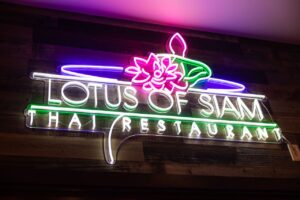
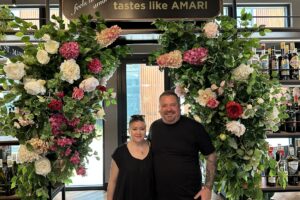
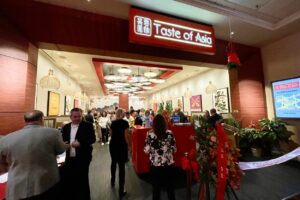
A few hours before Lotus of Siam welcomed its first customers back to the East Sahara Commercial Center, workers were still putting the finishing touches on the dining room. In the entryway, Suchay Chutima hung framed photos by hand as the restaurant prepared for reopening night.
For longtime Las Vegans, the return of Lotus of Siam to its original Sahara Avenue home feels bigger than a simple reopening.
A Very Different Time
Long before locals routinely crossed town for great neighborhood restaurants — and when many tourists rarely left the Strip — Lotus of Siam helped prove destination dining could happen far from the resort corridor, even in a gritty commercial plaza many residents once avoided altogether.
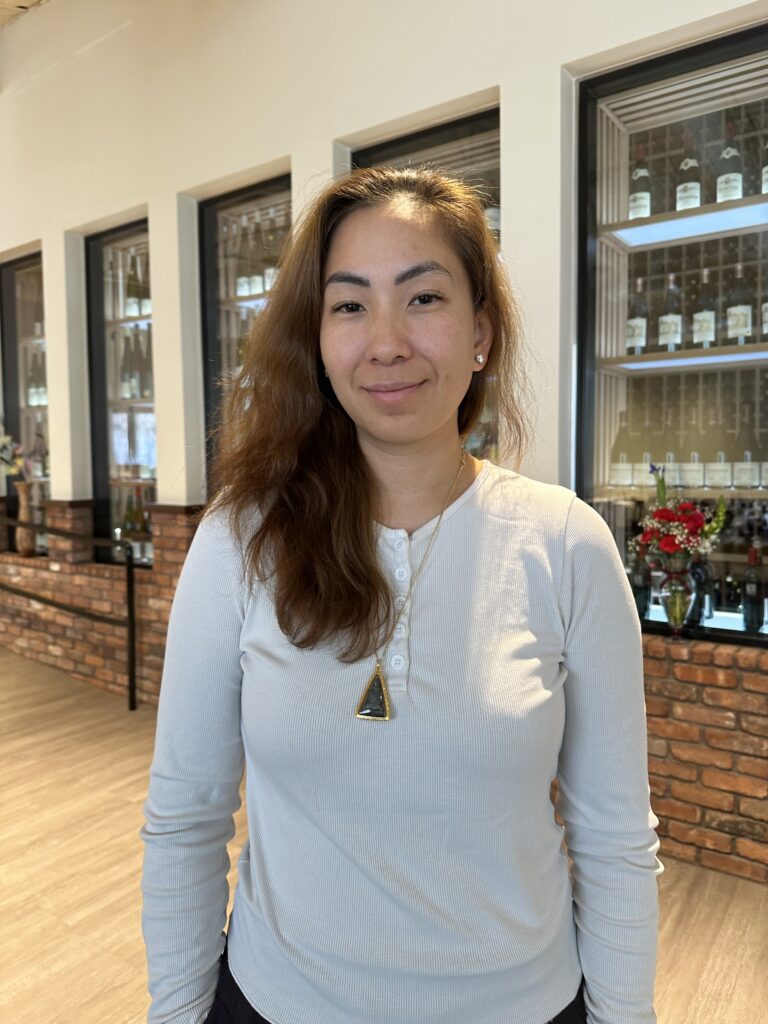
“It was a very different time around this area,” Penny Chutima, daughter of Suchay and Chef Saipin Chutima, said of Commercial Center in the 1990s and early 2000s. “A lot of people at the time considered it a very scary place to be.”
Back then, Commercial Center was better known for dive bars, late-night businesses and a few infamous adult establishments than nationally recognized dining. Penny laughed while recalling that, as a teenager, she made food deliveries to nearby businesses — including the adults-only Green Door and Hawk’s Gym.
“My parents always called Lotus of Siam the diamond in the rough,” she said.
The restaurant itself dates back to the 1950s, but the Chutima family took it over in 1999. At the time, many Las Vegas diners had little exposure to Northern Thai cuisine, which would eventually make Lotus famous nationwide.
“Every Thai restaurant in Vegas was a Thai-Chinese restaurant,” Penny recalled. “No one even knew what khao soi was.”
Reshaping The Culture
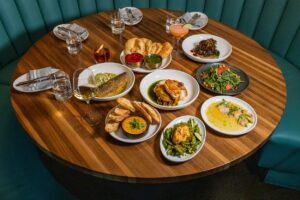
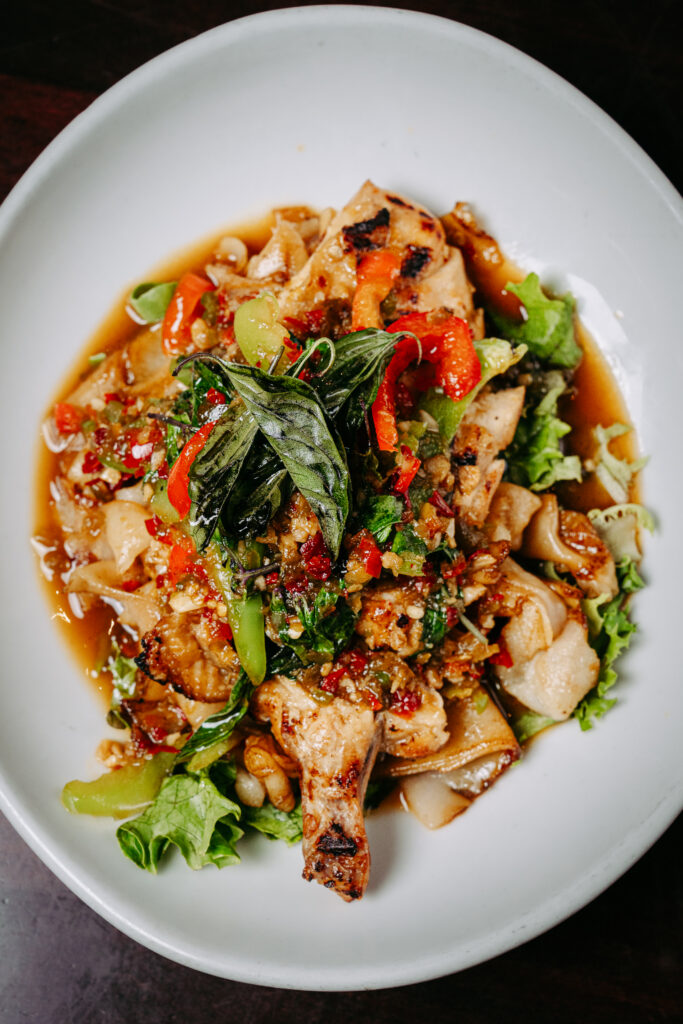
Thanks to Saipin Chutima’s cooking — which later earned her a James Beard Award for Best Chef Southwest — Lotus of Siam became one of the country’s most influential Thai restaurants. As journalists began to sing its praises, food tourists sought out the modest storefront for dishes many Americans rarely encountered at the time, including khao soi, Northern Thai sausage and nam prik.
“There was no social media,” Penny said of those early years. “Realistically, you just had Chowhound.”
The restaurant’s rise also helped reshape Las Vegas dining culture itself. At a time when most tourists rarely left casino corridors, Lotus became proof that extraordinary food could exist in unlikely places.
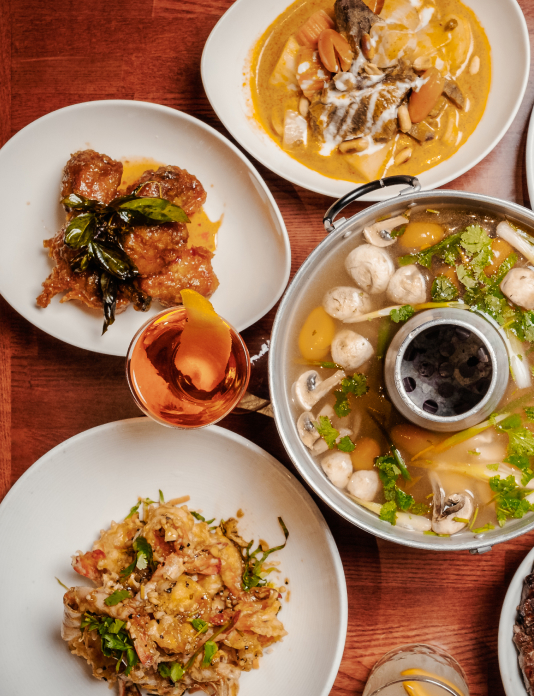
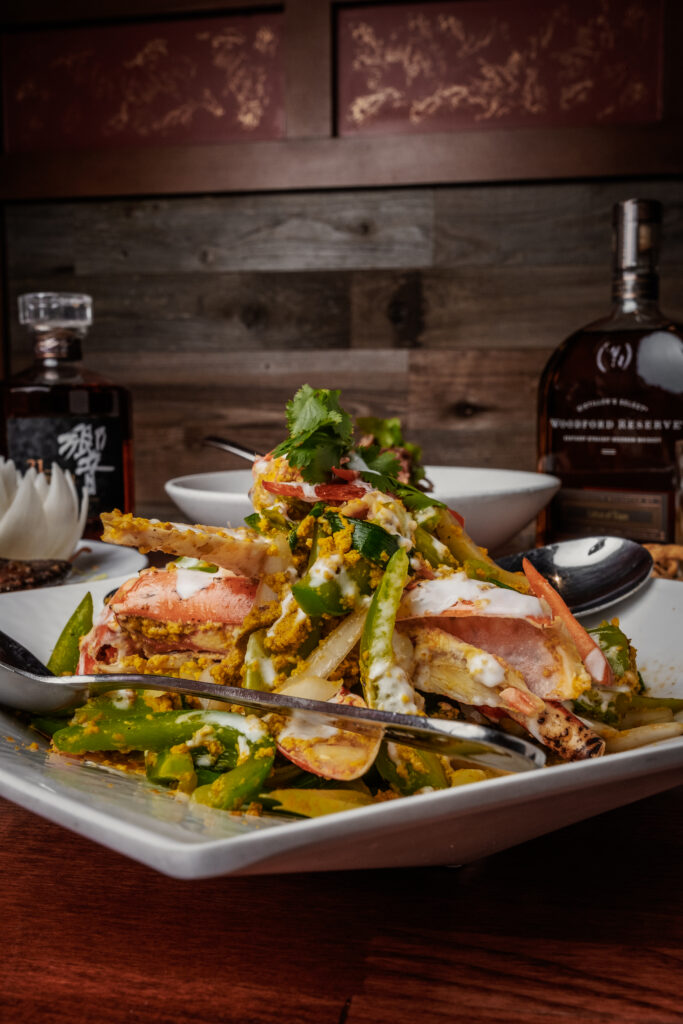
The family later expanded to a much larger Flamingo Road location and closed East Sahara after severe rain and roof damage to the aging commercial complex. But despite the success of the newer restaurant, Penny said the family never emotionally disconnected from the original location.
“People are like, ‘Why are you holding on to something? It’s such a dump,’” she said. “But this is the place that my mother was able to influence not just the city, but the entire nation, on what Thai food really was at that time.”
Still Family-Run
The redesigned restaurant still carries echoes of the original, but it has also evolved. The new space includes an expanded wine display and plans for a late-night cocktail concept with a separate menu.
Even so, the heart of the operation remains rooted in the family itself.
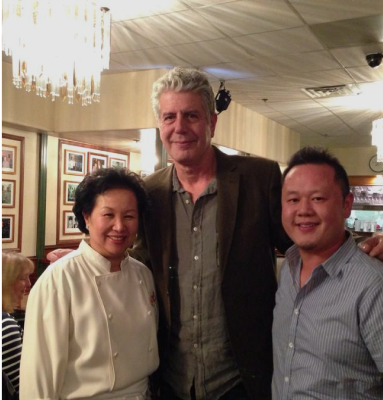
Saipin Chutima, now in her 70s, was still actively working in the kitchen on reopening day. Penny noted that many of the restaurant’s sauces are still personally prepared by her mother.
“If you see a pad thai sauce or a stir fry sauce, that was literally from her hands,” Penny said.
Meanwhile, Suchay Chutima continued overseeing the restaurant’s wine collection — a pairing program that helped distinguish Lotus of Siam years before wine became a serious conversation at most Thai restaurants.
The surrounding Commercial Center has changed dramatically over the decades, and debate continues about its future. But on reopening day, history mattered more than redevelopment politics.
Customers weren’t just returning for Northern Thai cuisine. They were returning to the place where generations of Las Vegas diners first discovered it.