


Yukon Pizza found itself at the center of a digital firestorm last week, after announcing it would close for a day in support of nationwide protests of I.C.E. operations. Online criticism escalated quickly, spilling onto review platforms as supporters and detractors alike tried to make their voices heard.
By Saturday lunchtime, however, the scene inside the neighborhood pizza shop told a very different story.
The dining room was packed. Orders stacked up. Customers cheerfully socialized as they waited slightly longer than usual for their orders. From the perspective of foot traffic alone, the online uproar seemed almost disconnected from reality.
Employees’ Idea
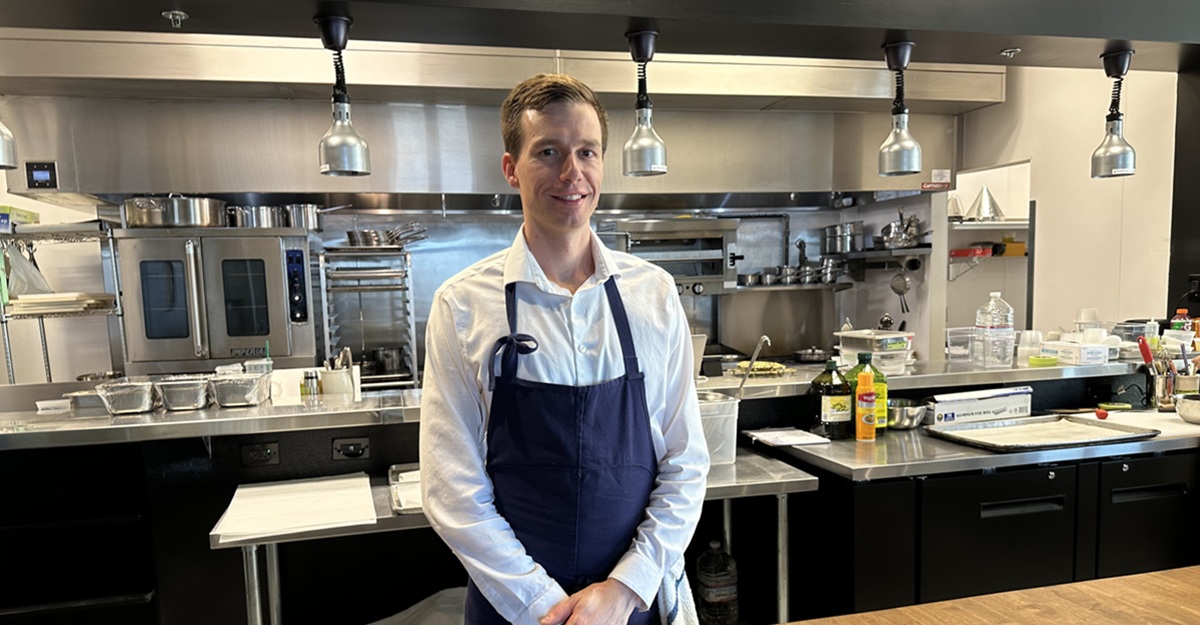
Alex White, who co-owns Yukon Pizza with his wife, said the decision to close for one day came from inside the restaurant, not from outside pressure. According to White, staff members approached ownership about participating in a coordinated business shutdown, intended as a show of solidarity with protests happening nationwide.
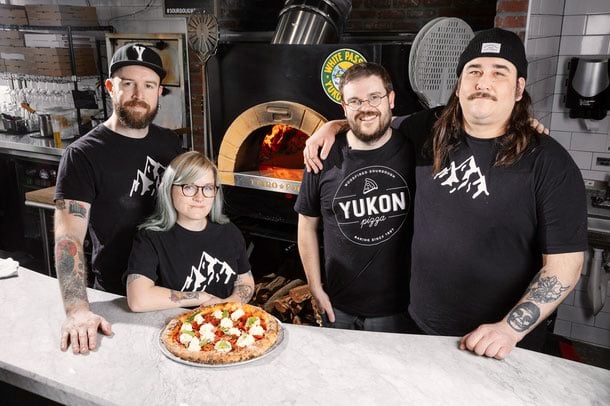
“We sat down and talked it through,” White told the Food and Loathing podcast. “Our employees asked if we could do this, and listening to them is really important to us. It reflected our values and the culture we’re trying to build here.”
White said the closure was intentionally communicated publicly so customers wouldn’t show up unexpectedly to locked doors. The restaurant explained its closure and shared resources for those who wanted to participate in other ways. What followed, he said, went far beyond what they anticipated.
Review Bombing
As the story spread through media outlets, Yukon Pizza became a target of review bombing—a coordinated effort to flood platforms like Yelp and Google with negative ratings, often from people who have never visited the business. Just as quickly, supporters launched a counter-campaign, posting glowing reviews in response.
White said the restaurant chose not to engage.

“Review bombing is just part of internet culture at this point,” he said. “People use it as a form of protest, but it doesn’t really reflect what’s happening in real life. We don’t spend our time chasing that stuff.”
According to White, both Yelp and Google flagged the activity as abnormal and removed the surge of posts independently. Yukon Pizza, he said, had no role in moderating the situation and made no attempt to influence it.
“We don’t really use review platforms to make decisions about other restaurants, and we don’t live and die by them ourselves,” he said. “Word of mouth matters more. Friends telling friends where to eat — that’s what actually brings people in.”
White also noted that the restaurant was not contacted before coverage of the closure appeared online, making him much more selective about which outlets he would speak with after the situation became increasingly heated. While the press chased the story, Yukon’s team focused on reopening and getting back to work.
Huge Turnout on Saturday
That approach appeared to resonate. White said the restaurant experienced one of its busiest stretches following the closure, including what he described as a record-setting half hour during Saturday lunch service.

For White, the experience reinforced a lesson many restaurant operators understand instinctively but rarely see illustrated so clearly: online outrage doesn’t always translate into real-world consequences.
“There were a lot of loud voices saying they were never coming here,” he said. “But many of them had never been here in the first place. Meanwhile, the people who actually show up — they were here.”
White said he has no regrets about how the situation was handled and would make the same decision again, even knowing what followed.
“Our staff believed in it, and we believed in them,” he said. “At the end of the day, we’re here to make pizza and take care of our people. The rest is noise.”
You can hear the complete Alex White interview on the February 6 episode of the Food and Loathing podcast.