







Before Tony Became Anthony Bourdain
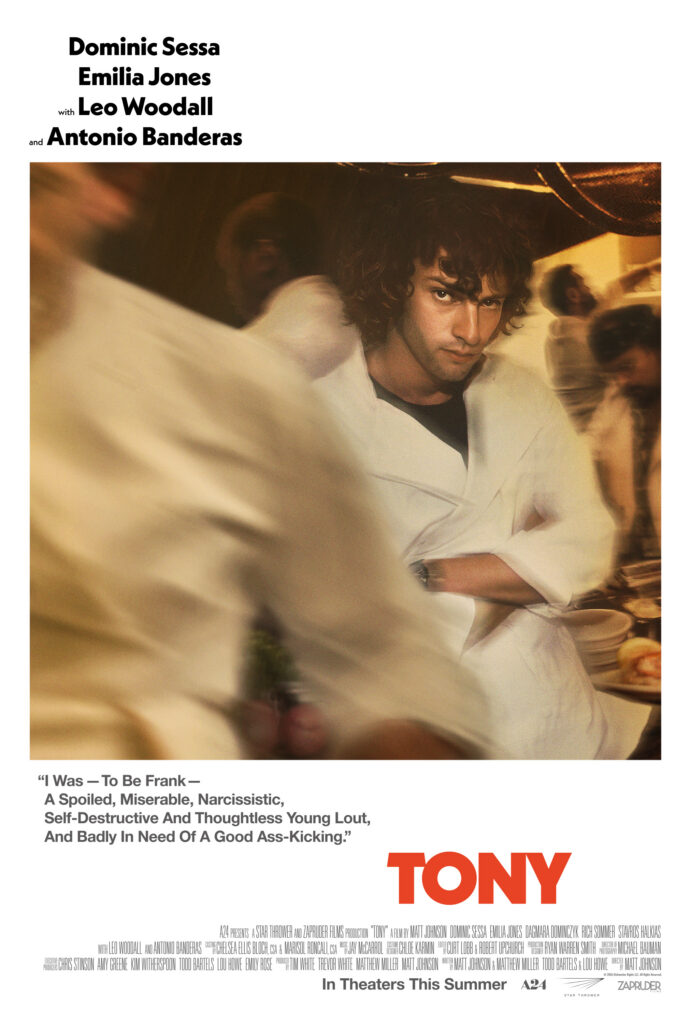
Anthony Bourdain built his reputation on contradictions. His breakthrough book, Kitchen Confidential: Adventures in the Culinary Underbelly, exposed the darker side of life in a professional kitchen, while celebrating its community of misfits, refugees and “pirates.” Cooks loved him because he was one of their own, and his respect for their world was obvious. Combined with the spirit of adventure he brought to his subsequent TV career, it made him a hero to a generation of cooks: a romantic idealist celebrating the drudgery of their long, hard days in the kitchen.
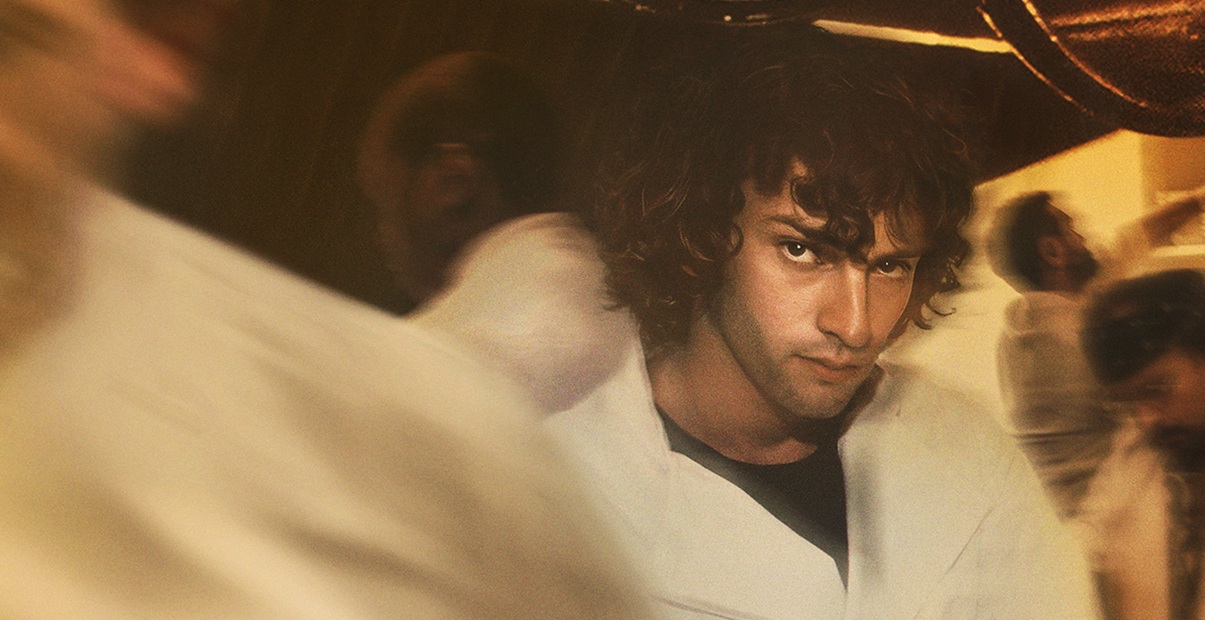
The Bourdain we meet at the beginning of the biopic Tony, which opens nationwide this weekend, is not that Anthony Bourdain. He’s an arrogant young college student — an aspiring writer spouting bullshit about his plans for a novel to anyone who would listen, from professors to girls in bars. The film spends 106 minutes showing us how lying about a writing grant led to a wild summer on Cape Cod where he discovered the tribe that would inspire his success.
The film, which stars Dominic Sessa as the future chef, author and television personality, is not about the Anthony Bourdain we all know and love. It’s about how he became that person. In Provincetown, Massachusetts, during the summer of 1975, Young Tony chases a girl, lands his first kitchen job, and begins to understand and love the people he meets there.
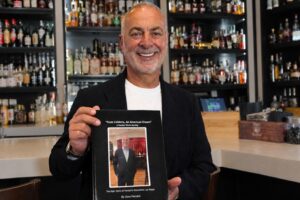
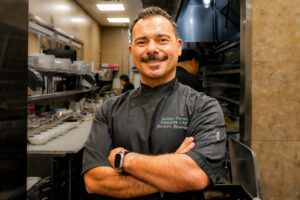
And before it opened to the public, A24 screened it for culinary workers in cities across America, including an August 3 showing at AMC Town Square organized by Sparrow + Wolf’s Chef Brian Howard. Food & Loathing attended to see how the film played with a room full of restaurant professionals.
“I thought the movie was great,” says Erica Bell, general manager and head pizzaiola at Double Zero Pie & Pub. “I loved that it was focused on, like, a part of his life. The story was beautiful and fun and not overwhelming.”
Finding a Home in the Kitchen
For many in attendance, that part of Bourdain’s life — dysfunction and all — is why they relate to his stories. They see themselves in the clueless young dishwasher haplessly trying to make it through a shift.
Chef Gary LaMorte, who worked with Chef Andre Rochat and The Mina Group before founding Honest Hospitality and Fortune Events, was particularly struck by the way Tony found sanctuary amongst the insanity.
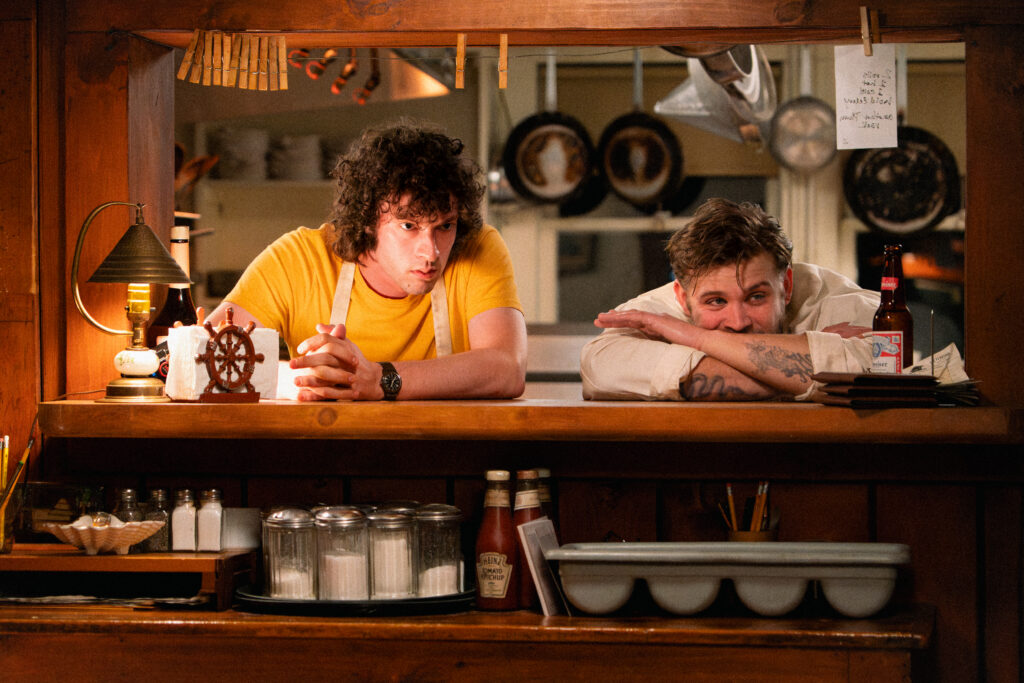
“I don’t know if it’ll resonate with everybody, but personally I can tell you, finding a home in the kitchen was the first way I found to stay out of trouble,” LaMorte said of his own younger days, after the screening. “So, for me, I thought it was very understandable and quite touching.”
Howard also recognized his younger self in the world depicted onscreen.
“Those moments, for me, were a [typical] young cook,” Howard says. “They showed the dark side. They showed the highlights, and all the little things. So it was cool, and I think they did represent it well.”
Howard’s primary complaint was simply that it ended too soon.
“I thought it was good. I want more,” he says, adding that he would have liked to see the story continue into Bourdain’s later restaurant career, including his years at Les Halles in New York City.
That desire may be inevitable for viewers who followed Bourdain for decades. But the filmmakers deliberately chose not to tell a cradle-to-grave story. Instead, TONY presents a young man discovering, for the first time, the food, work, friendship, romance, rebellion and sense of community that would inspire a career.
Pirate Life
For chef-turned-journalist Lorraine Blanco Moss, those kitchen scenes were immediately recognizable.
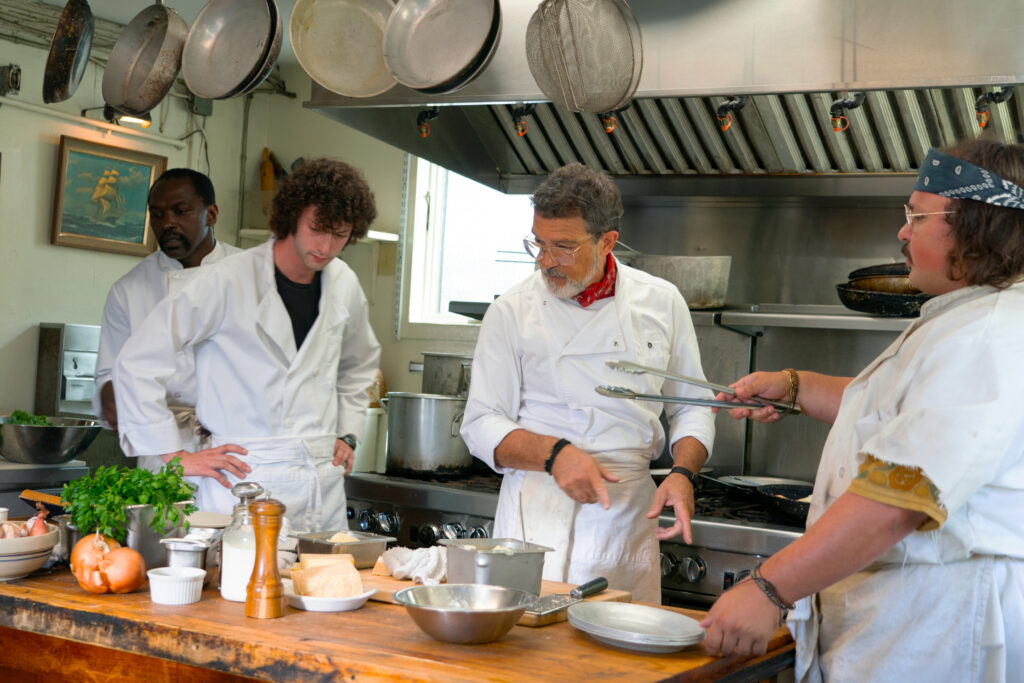
“I thought the acting was brilliant,” Moss says. “It captured that feeling of being in a kitchen and being like a pirate.”
Moss says the camaraderie, chaos and outsider mentality remain recognizable, even if professional kitchens have changed considerably since Bourdain’s early days.
“Anyone that’s been in a kitchen has seen everything that was portrayed in that movie, from the drugs to the jumping in the water to the issues that cooks have,” she says. “But it’s also a different time period. I feel like kitchens are so different now.”
For Moss, Bourdain’s legacy is particularly personal. His 2018 death helped inspire her Las Vegas podcast Two Sharp Chefs & A Microphone (which, she says, may be planning a comeback). She recalls her mentor, Chef José Andrés, challenging her at the time to consider what she would do to continue Bourdain’s legacy.
“And that’s literally why we started the Las Vegas podcast Two Sharp Chefs,” she says.
As a result, Moss arrived at the screening prepared for a much more emotional experience.
“I was honestly prepared to bring tissues,” she says.
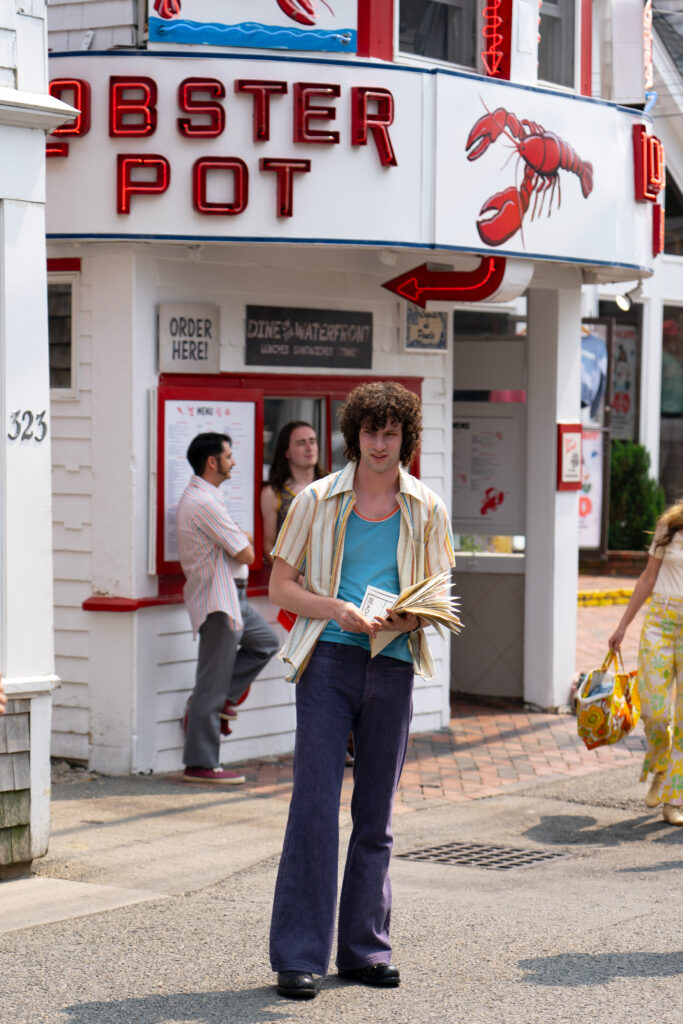
Instead, she found herself enjoying the youthful chaos.
“It was more just, like, the fun of it, the craziness of it,” she says. “It was raw. It was real.”
And for those who have never worked a line, Moss shed some light on the pirate analogy Bourdain helped popularize.
“We run around with knives. We fight like hell through, you know, 10, 12 hours of a shift,” she says.
“It looks like pirate life,” she continues. “You’re running around with a big fat knife and multiple big fat knives, and cutting big-ass prime primals, and, you know, being okay with dead things and blood, and fighting until the end of the shift. And then everybody goes out and has drinks, and we’re all happy again.”
TONY shows a young man stumbling into that strange community for the first time, long before the world knew the name Anthony Bourdain. For the Las Vegas chefs watching him do it, much of it looked remarkably familiar.
Hear more of our interviews with Erica Bell, Gary LaMorte, Brian Howard and Lorraine Blanco Moss on the August 7 episode of the Food and Loathing podcast.


